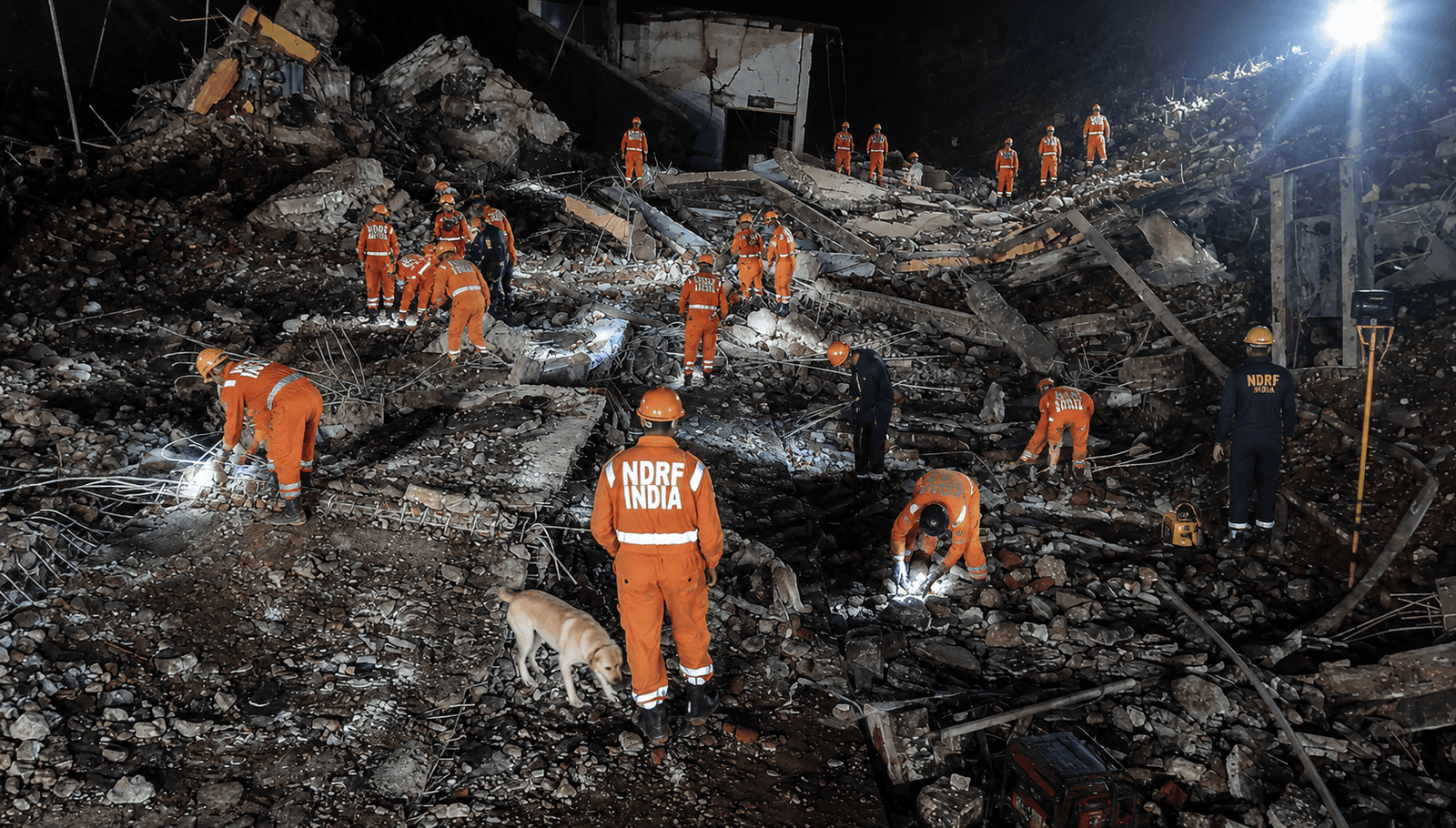
On the morning of a structural collapse, a post-earthquake rescue operation, or an industrial disaster involving trapped workers, the difference between life and death is almost always measured in minutes and competence. The machinery of state response — National Disaster Response Force teams, state fire brigades, civil defence units — is trained, dedicated, and capable. But it is also distant. Response times across India's industrial heartlands, particularly in areas where large plants and infrastructure projects are clustered away from urban centres, frequently exceed the window within which survival rates are highest. This is the gap that Urban Search and Rescue training — USAR — is increasingly being called upon to fill.
What USAR Actually Is
USAR, at its core, is the discipline of locating, reaching, and extracting people who are trapped — whether by structural collapse, industrial accident, natural disaster, or a combination of these events. It is a technically complex, physically demanding, and team-dependent form of emergency response that draws on skills spanning:
- Structural assessment and secondary collapse risk identification
- Search methodology and victim location techniques
- Medical triage and prolonged field care including crush syndrome management
- Rigging, lifting, cutting and breaking operations
- Shoring, stabilisation, and victim packaging for safe extraction
Internationally, USAR is a mature and highly systematised field with recognised classification levels — Light, Medium, and Heavy — each representing a progressively deeper capability to operate in increasingly complex collapse and entrapment scenarios.
Why the Industrial Sector Can No Longer Wait
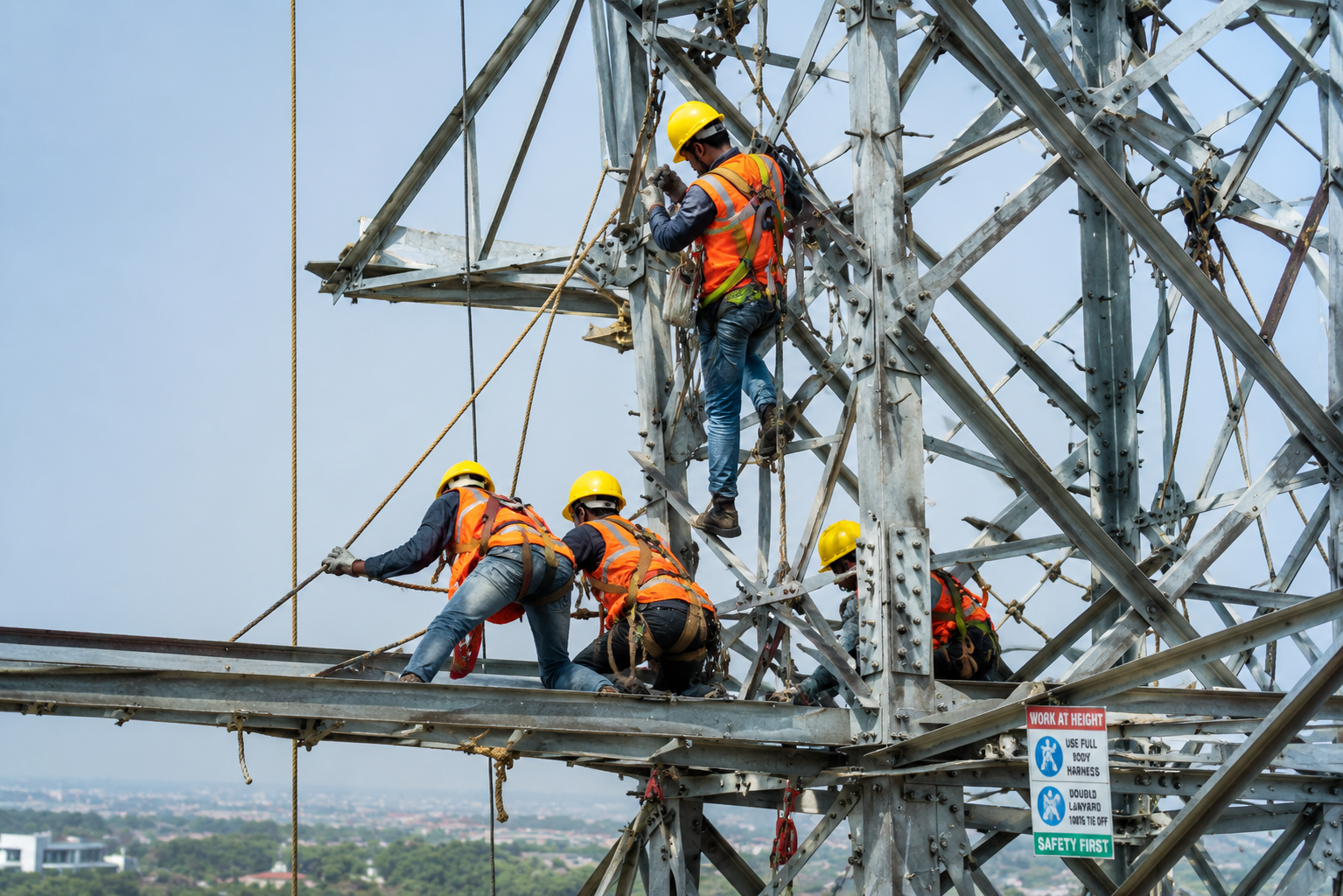
The shift is being driven by a convergence of factors reshaping how large industrial organisations think about emergency preparedness. India's infrastructure expansion — in ports, steel plants, cement facilities, hydroelectric projects, tunnelling operations, and urban construction — has created a vast landscape of workplaces where the risk of structural incidents, equipment failures, and mass casualty events is real and growing. Regulatory frameworks, including factory rules, OISD standards, and disaster management guidelines under the DM Act 2005, are increasingly expecting large industrial installations to demonstrate on-site emergency response capability that goes beyond fire suppression and first aid.
The Medical Dimension That Is Consistently Underestimated
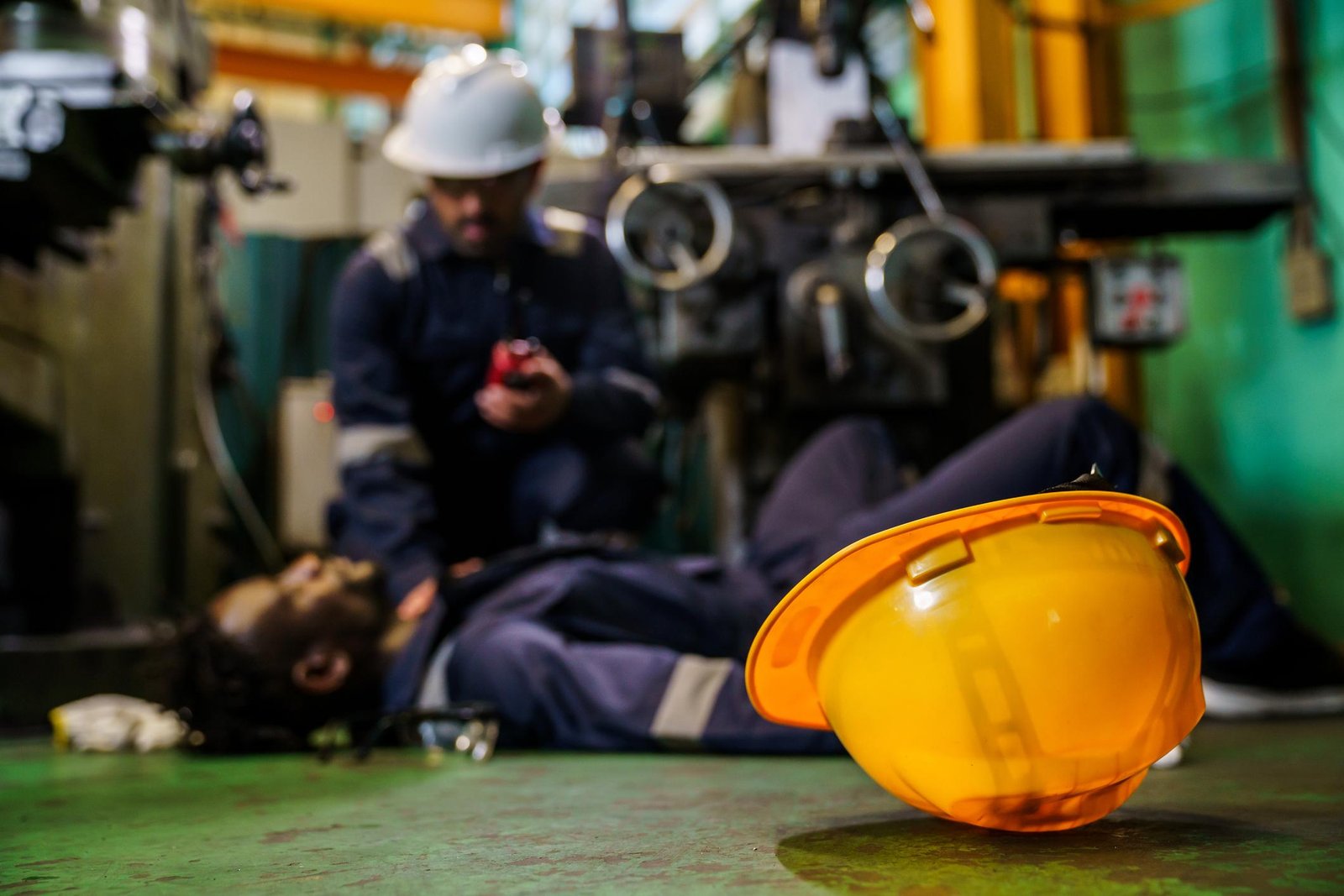
Crush injuries — common in structural collapse scenarios — present medical complications, including crush syndrome, that are different in nature and management from standard trauma. A USAR-trained responder understands the principles of prolonged field care, the risks of premature extraction without medical preparation, and the basics of airway management and haemorrhage control in difficult access environments. This is not the same as standard first aid. It is emergency care delivered in compromised, unstable, and physically demanding conditions where clinical decision-making must be integrated with structural awareness and technical rescue operations simultaneously.
Who in India Needs USAR Training Right Now
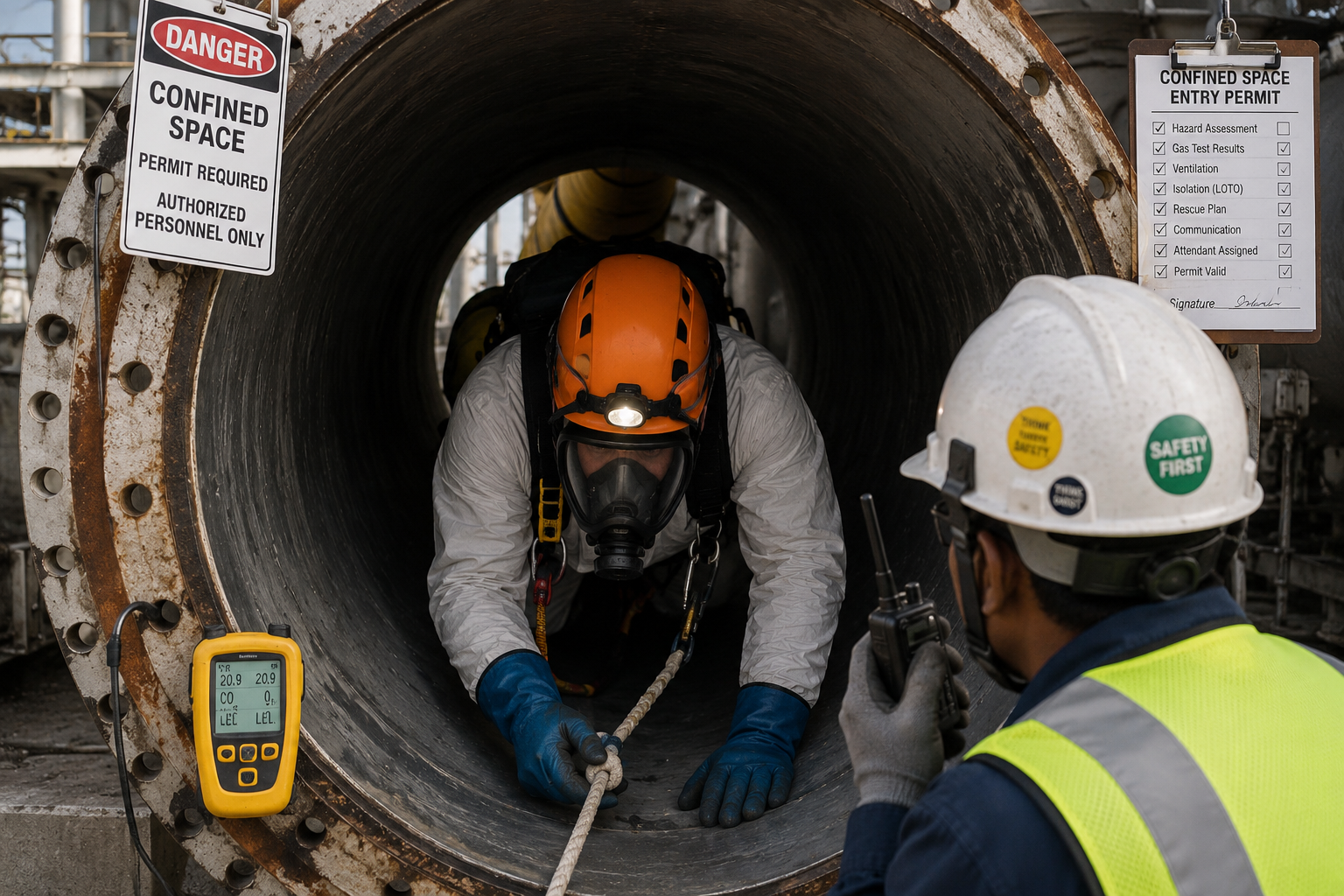
The honest answer is: a far wider population than currently has it. At the highest priority level sit large integrated industrial facilities — steel plants, refineries, cement complexes, thermal and hydroelectric power projects, port and shipyard operations. Tunnelling projects represent a category of particular urgency: tunnel collapses and face failures create entrapment scenarios that demand exactly the combination of confined space competency, structural awareness, and technical extraction skill that USAR training provides.
Beyond the industrial sector, the case for USAR capability extends to municipalities in seismically active zones. India's historical experience of earthquakes in Gujarat, Uttarakhand, and Sikkim; floods and landslides in the Northeast, Himachal Pradesh, and Kerala; and cyclone events along both coastlines consistently demonstrates that the first effective rescuers on scene are not government teams — they are local people with whatever skills and tools they have. When those people have USAR training, survival outcomes improve measurably.
USAR training is not a specialisation reserved for emergency services professionals. It is a life-safety competency that industrial India urgently needs distributed more widely — across plants, across project sites, across the communities that surround them. The investment is measured in training days and equipment costs. What it returns is response capability that cannot be airlifted in after the fact.