Confined spaces are among the most deceptive hazards in the industrial world. Unlike an open excavation or a visible height risk, a confined space often looks harmless — a tank, a vessel, a sewer line, a boiler chamber. There is no obvious edge to fall from, no visible flame. Yet the statistics tell a different story. Confined space incidents account for a disproportionate share of workplace fatalities in sectors like construction, oil and gas, petrochemicals, water treatment, and manufacturing.
What makes these incidents particularly devastating is that the vast majority are preventable. They do not occur because of unknown hazards or unforeseeable events. They occur because of identifiable, repeatable mistakes that organisations continue to make despite evidence, regulation, and accumulated tragedy. Here are the five most critical errors — and what must be done differently.
Mistake 1: Treating Confined Space Entry as a Routine Task
The single most dangerous attitude a company can cultivate is the belief that a particular confined space has "always been fine." Familiarity breeds complacency, and complacency in a confined space can be fatal within minutes. Workers and supervisors who have entered the same vessel dozens of times without incident begin to treat the entry as a routine job rather than a high-risk operation. Pre-entry checks get skipped or rushed. Permits are signed without genuine assessment. Gas testing is done once rather than continuously.
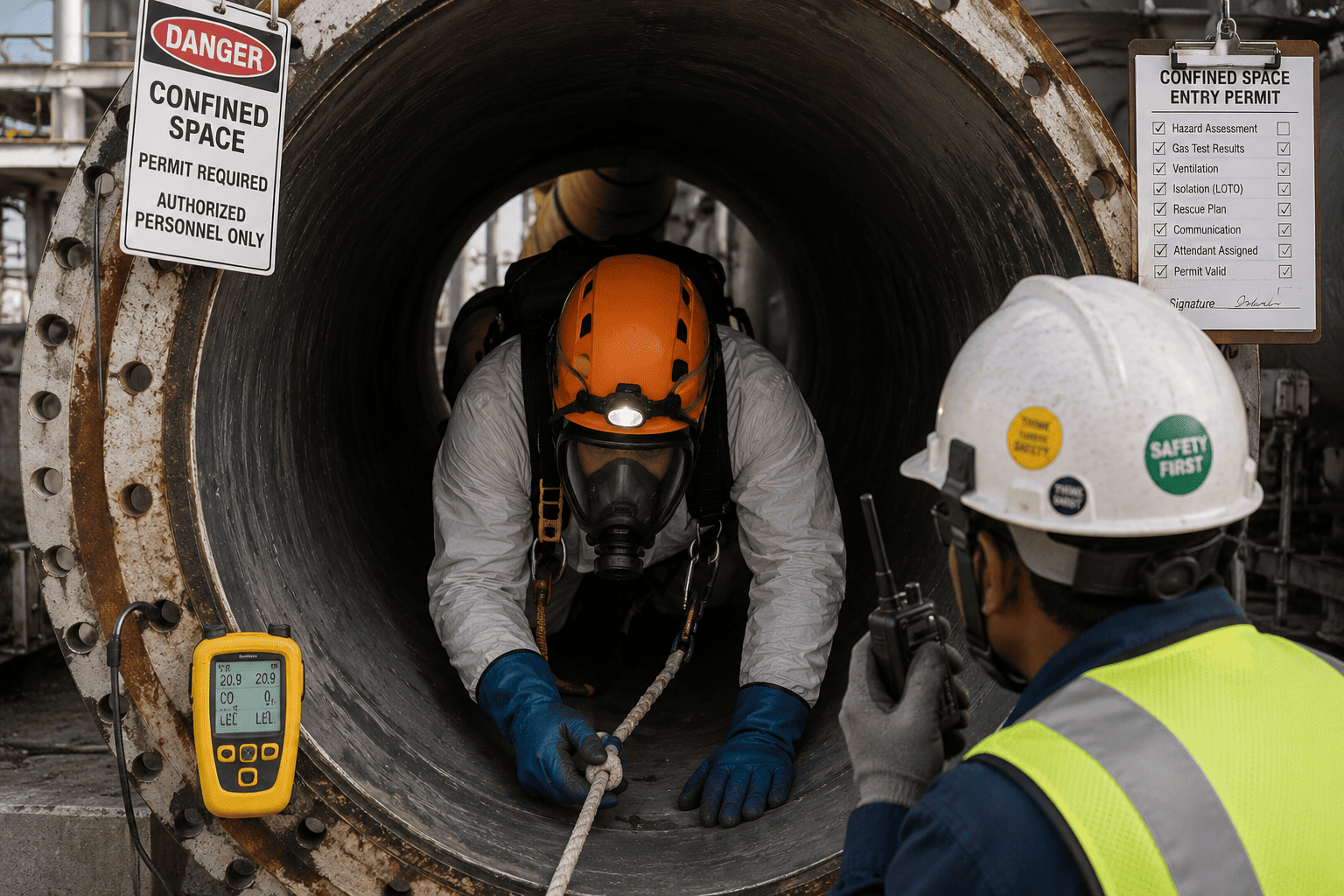
The hazard profile of a confined space is not static. Atmospheric conditions change based on what was last stored in the vessel, ambient temperature, nearby work activities, and even microbial action. A space that was safe yesterday can accumulate lethal concentrations of hydrogen sulphide or deplete its oxygen content overnight. Every entry, without exception, must be treated as a fresh risk event. The permit-to-work system exists precisely to enforce this discipline, and its integrity should never be compromised by schedule pressure or misplaced confidence.
Mistake 2: Inadequate or Absent Atmospheric Testing
Gas testing is the technical cornerstone of confined space safety, and yet it remains one of the most commonly mishandled elements of the entry process. The errors here come in multiple forms. Some organisations test only at the entry point and assume the readings represent the entire space — ignoring the fact that heavier-than-air gases like hydrogen sulphide and LPG vapour stratify toward the bottom of a vessel, while lighter gases rise. Others test once before entry and assume conditions remain constant, when in reality a worker's own movement, the disturbance of settled sludge, or a nearby process change can shift the atmosphere rapidly.
- Multi-point testing at varying depths before every entry
- Properly calibrated and bump-tested multi-gas detectors
- Continuous atmospheric monitoring throughout the duration of work
- Personal gas monitors worn by all entrants as mandatory PPE — not optional equipment
Mistake 3: Failing to Establish a Competent Attendant Outside the Space
Regulations are clear: a confined space entry requires a dedicated attendant stationed outside the entry point for the entire duration of the operation. In practice this is frequently violated. Sometimes the attendant is physically absent — called away to assist with another task, sent to fetch equipment, or simply not assigned in the first place. Other times an attendant is nominally present but untrained in their specific responsibilities: tracking entrants, maintaining communication, monitoring for hazard warning signs, and — most critically — initiating rescue without entering the space themselves.
Mistake 4: No Rescue Plan — or a Plan That Only Exists on Paper
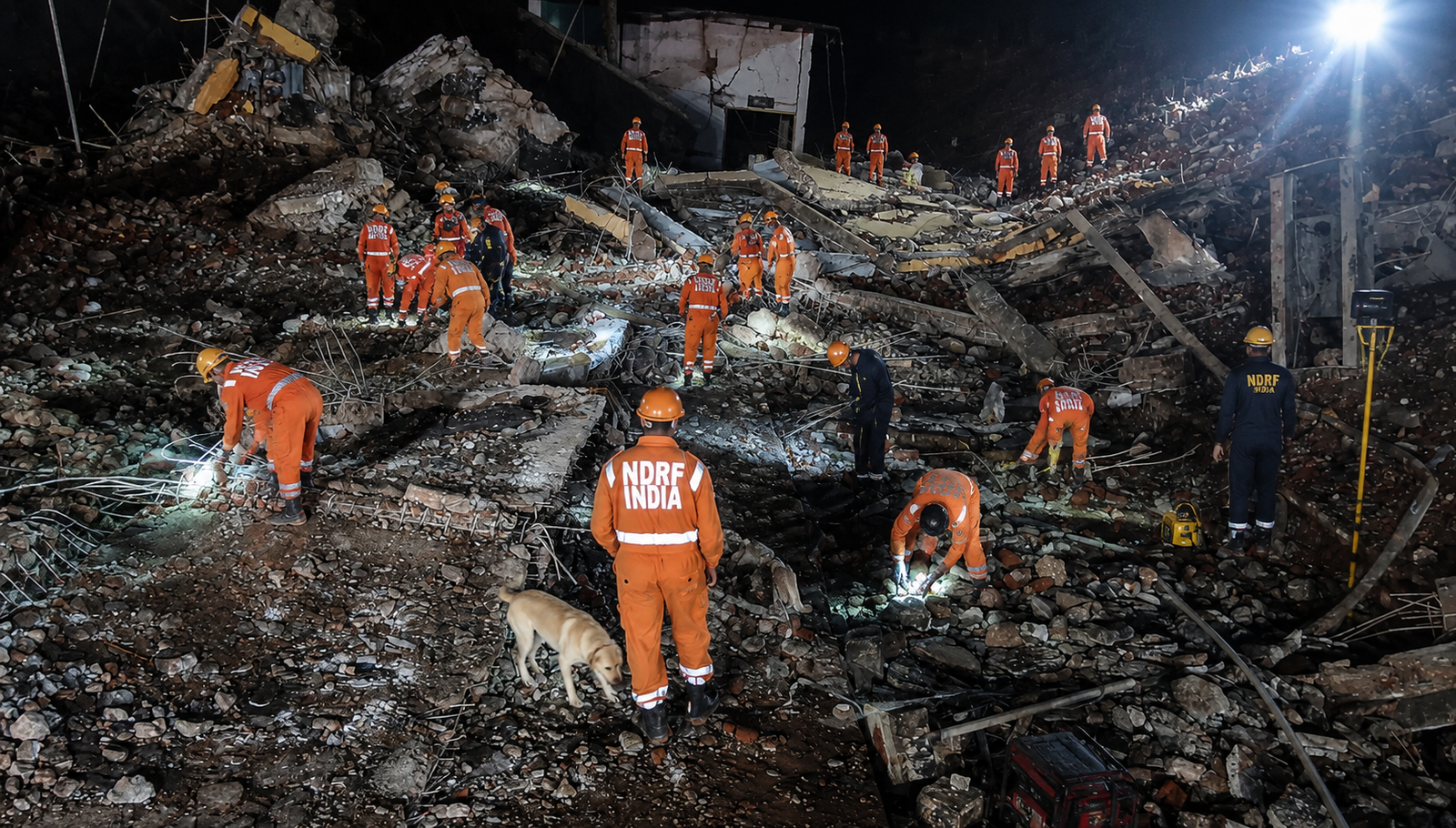
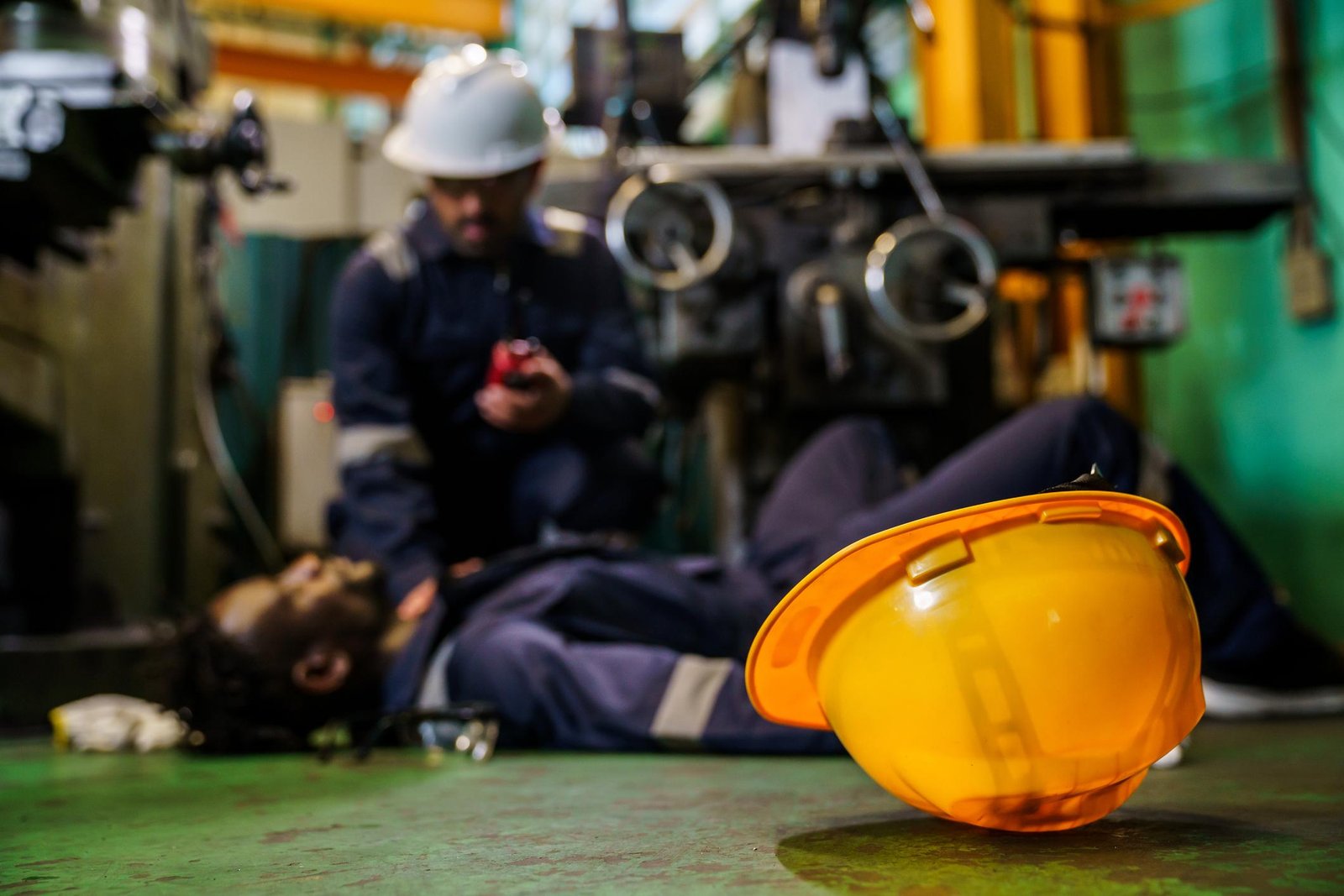
Ask most site safety managers whether they have a confined space rescue plan and the answer is yes. Ask them when it was last tested, who the trained rescuers are, where the rescue equipment is stored, and how long it would take to deploy — and the answers often become far less confident. A rescue plan that exists only as a document filed in a safety folder provides no real protection. Confined space rescue is a physically and technically demanding operation that requires practiced coordination. Retrieval systems, tripods, and winches must be pre-rigged before entry begins — not assembled after a victim is already incapacitated. Response time matters enormously: in an oxygen-deficient atmosphere, brain damage begins within four minutes of unconsciousness.
Mistake 5: Undertrained Workers and Supervisors
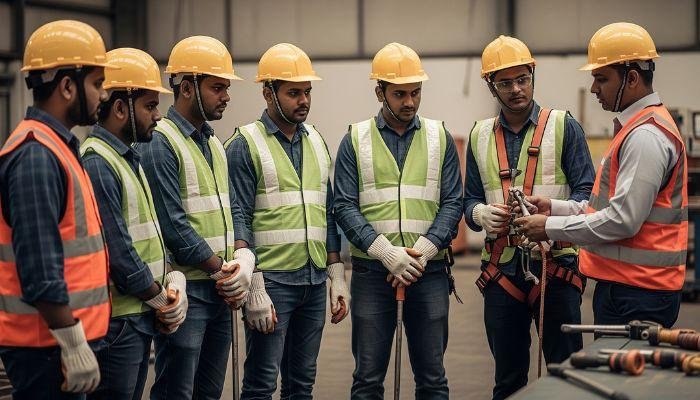
Training is where all the other mistakes ultimately originate. When workers do not truly understand why confined spaces are hazardous — the physiology of oxygen deficiency, the invisibility of toxic gases, the speed at which conditions deteriorate — they cannot exercise sound judgment in the field. When supervisors have not been trained to conduct a genuine risk assessment and issue a meaningful permit, the paperwork becomes theatre rather than protection. Effective confined space training must include hands-on atmospheric testing with real equipment, practical use of rescue retrieval systems, simulated emergency response drills, and scenario-based decision-making. Training must be refreshed regularly, not treated as a one-time induction formality.
Confined space incidents are not inevitable. They follow a predictable pattern of neglect, and they yield to a predictable pattern of prevention: genuine risk assessment, rigorous atmospheric monitoring, trained attendants, tested rescue plans, and competent workers. The cost of getting this right is measurable. The cost of getting it wrong is not.