Not all safety training is equal. DISH approval is the Government of India's certification that a training provider meets the highest national standards. But what does that really mean for you, your workforce, and your organisation's safety culture? To answer that, we need to look beyond the certificate on the wall and understand the weight it carries in the real world of industrial operations, regulatory compliance, and human lives.
In India's industrial landscape, workplace safety is no longer a checkbox exercise. With the Factories Act, construction site regulations, and sector-specific mandates from bodies like DGMS, OISD, and the Ministry of Labour tightening their grip on compliance, organisations face increasing scrutiny over the quality of safety training they provide. At the centre of this evolving framework stands the Directorate of Industrial Safety and Health — DISH — whose approval of a training provider is arguably the most credible signal that the training you invest in is genuinely worth it.
What DISH Approval Actually Certifies
At its core, DISH approval means the Government of India has independently evaluated a training provider's curriculum, faculty qualifications, infrastructure, and delivery methodology against a defined national benchmark. The approval is not self-declared, not purchased, and not a formality. It is earned through a rigorous assessment process that examines three things:
- Whether the provider has the physical facilities to simulate real workplace hazards
- Whether their trainers hold the academic and field credentials to teach safety with authority
- Whether the course content aligns with current statutory requirements and industry best practices
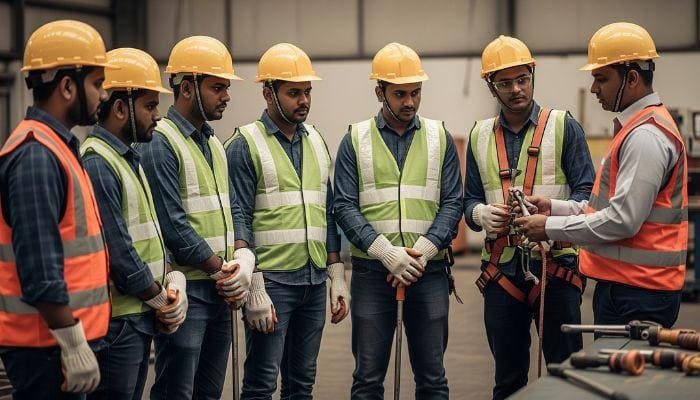
This level of scrutiny is designed to ensure that a worker who walks out of a DISH-approved training programme is genuinely equipped — not just certified on paper.
What It Means for the Employer
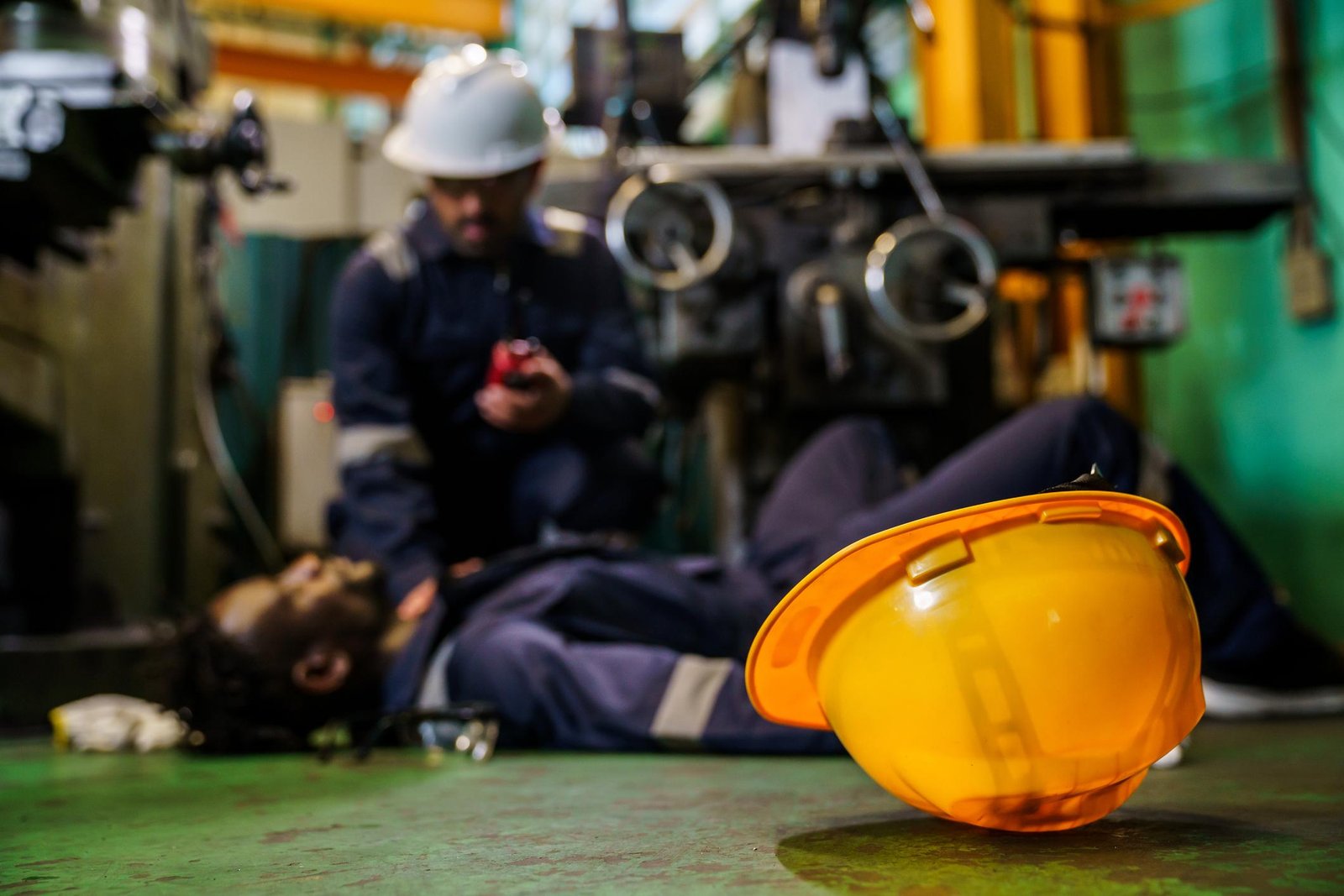
When a contractor worker, a site supervisor, or a safety officer undergoes training at a non-approved institution, the certificate they receive may look professional and the training may even seem adequate. But in the event of an accident, an audit, or a legal proceeding, that certificate carries little institutional weight. Regulatory bodies and courts are increasingly looking at whether training was sourced from approved, accountable providers. A DISH-approved certificate, by contrast, demonstrates that due diligence was exercised.
For organisations with multi-site operations, DISH approval provides a consistent, measurable benchmark. When you mandate that all safety training across your sites must be sourced from DISH-approved providers, you create a uniform floor of quality that transcends vendor variability. You are no longer relying on word-of-mouth recommendations or hoping that the training received at your Rajasthan plant is equivalent to what your Maharashtra team went through. The government's stamp of approval does that equalisation work for you.
What It Means for the Worker
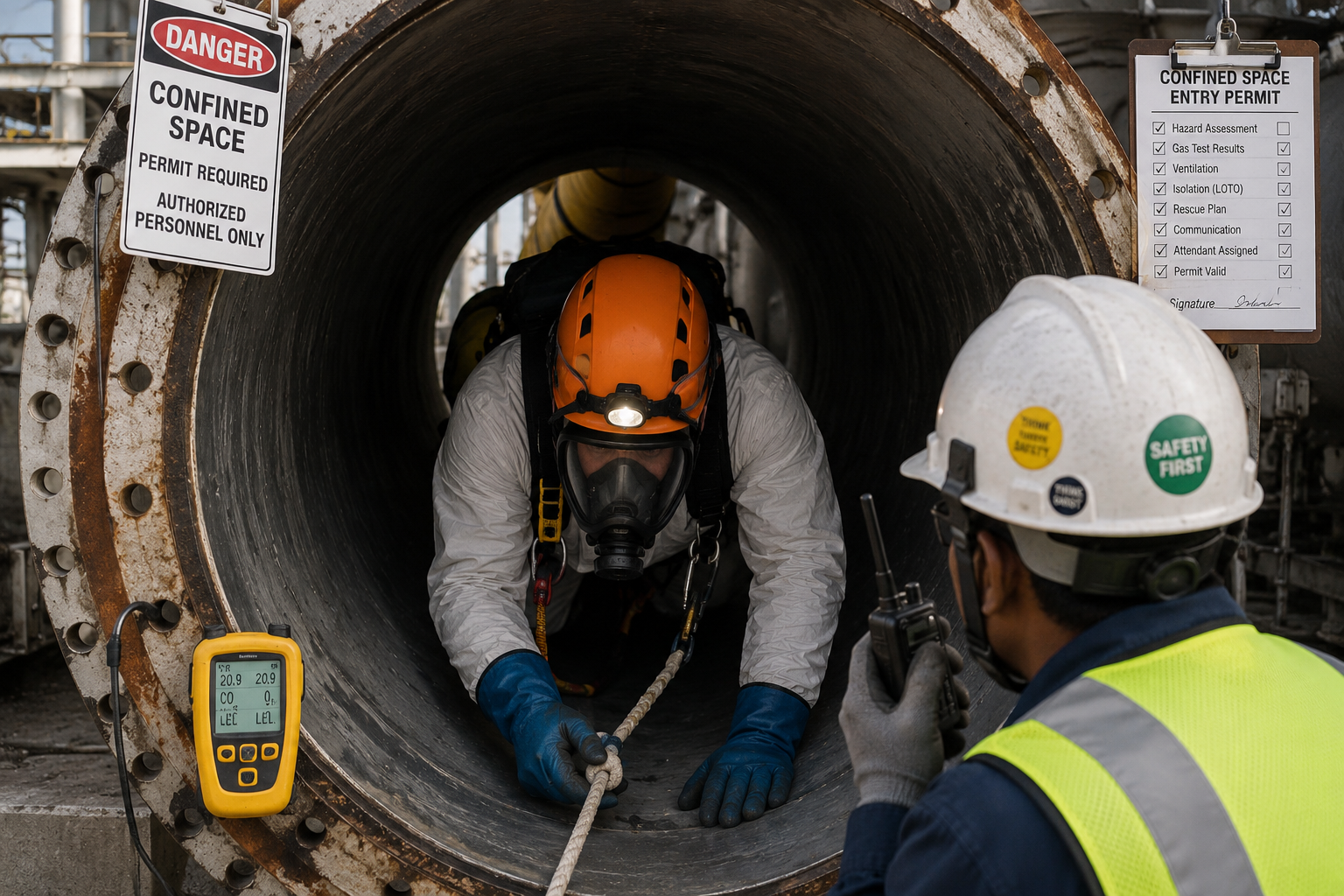
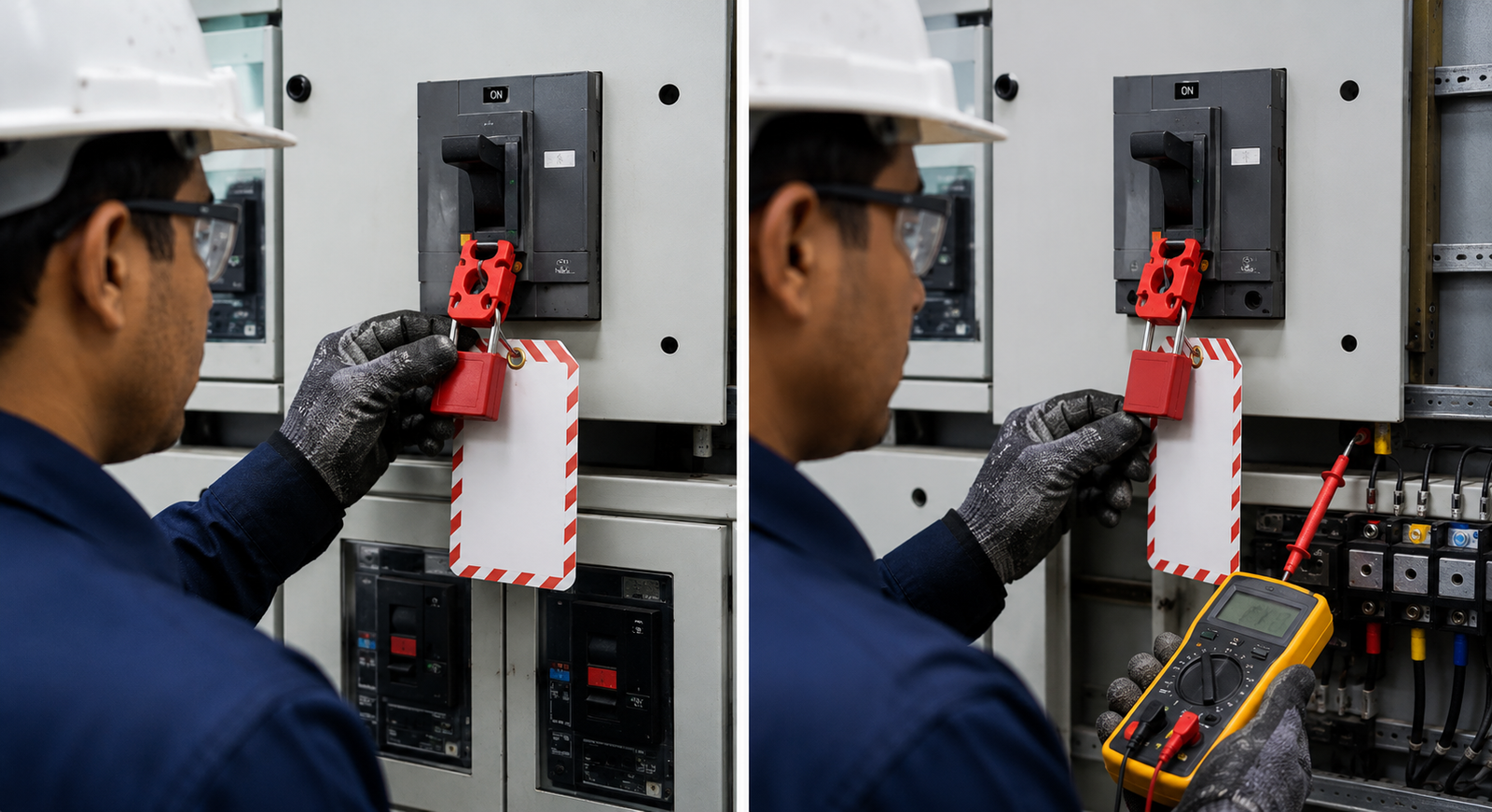
For the worker, DISH approval means something even more fundamental: protection. Safety training is not an abstract HR requirement. It is the knowledge that can prevent a fall from height, avert a chemical exposure, stop a crane from striking a colleague, or enable a trained rescuer to pull someone out of a confined space alive. When that training is delivered by an institution that has met government standards, the content has been validated, the practicals have been assessed for adequacy, and the trainers have been evaluated for competence. The worker's learning experience is more likely to translate into genuine skill — the kind that activates under pressure when it matters most.
The Accountability Loop Non-Approved Providers Don't Face
DISH approval also signals an organisation's commitment to continuous improvement. Approved providers are not given a lifetime pass. They are subject to periodic review, and their approval can be revoked if standards slip. This creates an accountability loop that non-approved providers simply do not face. It means that a DISH-approved training academy has skin in the game — they must maintain the quality of their faculty, keep their courseware updated with evolving regulations, and ensure their training equipment reflects current industry standards.
The ESG and Audit Signal
In an era where ESG compliance, supply chain transparency, and contractor safety records are under increasing scrutiny from institutional investors and large project owners, being able to demonstrate that your workforce has been trained by government-approved institutions adds a layer of credibility to your safety claims. For contractors bidding on large EPC or public sector projects, this distinction can be the difference between qualifying and being disqualified at the vendor assessment stage.
Ultimately, DISH approval is about trust — trust that the training provider has been held to account, trust that the content has been validated, trust that the worker who has been trained is genuinely more capable of protecting themselves and their colleagues. In the domain of industrial safety, where the consequences of failure are measured in lives and livelihoods, that trust is not a premium add-on. It is the baseline. When choosing where your organisation invests its safety training budget, the presence of DISH approval should not be a nice-to-have. It should be the first question you ask — and the non-negotiable answer you require.